Voices
ON THE PROJECT
When politics gets in the way of prosecutions, the best way to ensure future justice is to build evidentiary cases now. That has proven true in lawless situations around the world. It is needed in the United States today.
Kenneth RothSenior Fellow, Yale University.
Former Executive Director, Human Rights Watch.
A core value of the rule of law is that all people are treated equally by the law. It also requires that all those who violate the law are held accountable. These principles are recognised as fundamental to justice in a democracy.
Richard GoldstoneRetired Justice of the Constitutional Court of South Africa.
Founding Chief Prosecutor of the International Criminal Tribunals for Rwanda and the Former Yugoslavia.
As someone who served nearly two decades as judge and president of UN war crimes tribunals, my lodestar was the Rule of Law, the core principle of justice and accountability in both national and international law. I wish the very best to projects aimed at strengthening and enforcing that vital Rule.
Theodor Meron CMGVisiting Professor, Oxford law faculty, and honorary fellow, Trinity College.
Past Judge and President of UN war crimes tribunals.
Having worked for years in the former Soviet Union fighting corruption and ensuring that the powerful are held accountable, I find it extremely distressing to realize that certain officials in my own government are now acting with criminal impunity and in plain disregard for their legal and ethical obligations. The United States spent decades ensuring that the rule of law was followed around the world and now, sadly, we must focus our attention at home and remind our own government that no one is above the law.
Frank HespeChief of Party for Rule of Law programs, American Bar Association.
Former Dean of the Monterey College of Law.
Public service is an honor and a privilege, and I was fortunate to work with many dedicated lawyers, advocates, administrative professionals and agents over the course of my career. But when officials tarnish their service and intentionally fracture the people’s trust, investigation and prosecution is a key tool. Prosecuting public servants for self-dealing and for violating their neighbors’ constitutional rights promotes consistency, transparency and finality, each an important component of the Rule of Law.
Gary RestainoFormer United States Attorney for the District of Arizona.
Former Acting Director of the Bureau of Alcohol, Tobacco, Firearms and Explosives.
The United States has seen severe erosion of democratic norms, and grave intrusions on the value of legality since January 2025. This raises serious questions about how we are to restore our previous commitments to the Constitution and the general principle that officials, even in the nation’s highest office, operate under the law, as opposed to being able to defy it for personal or partisan gain. But how are we to do so? Mark Blumberg and his team are leading a thoughtful and conscientious effort to get that difficult project started—and their work will benefit us all.
Aziz HuqFrank and Bernice J. Greenberg Professor of Law at the University of Chicago Law School.
When people violate the law, there must be accountability — that is the only way that this experiment with democracy can succeed. If people believe that they can get away with corruption or illegal violence, those who want to live by following the rules can’t. Sadly, the Department of Justice has lost its way. Fortunately, there are people like those who built The Rule of Law Project who are going to help us find our moral compass.
Roy L. Austin, Jr.Inaugural Director of the Howard University School of Law’s Artificial Intelligence Initiative.
Former Deputy Assistant to the President for the Office of Urban Affairs, Justice and Opportunity with the White House’s Domestic Policy Council.
In my global work fostering accountability for grave international crimes around the world, I’ve witnessed firsthand the important contributions that civil society actors can make in documenting criminal activity and imagining pathways to justice. These public-private partnerships have enabled groundbreaking cases in courts around the world. This same model can promote accountability here, at home. The rule of law is precious and impunity is corrosive. We must all do our part to counter those who would undermine the rule of law for their own private benefit.
Beth Van SchaackDistinguished Fellow at Stanford University.
Former Ambassador-at-Large for Global Criminal Justice (GCJ) in the U.S. State Department.
Enshrined in our Constitution are basic rights belonging to “the people.” After over a century of struggles for equality, we know that these rights belong to all the people, not just the wealthy or the powerful. But these rights are worth little if they are not enforced. When I worked at the Civil Rights Division of the Department of Justice, these rights were enforced through vigorous prosecution of any government official who willfully trampled on those rights and through civil suits against law enforcement agencies that allowed a pattern and practice of violations to occur.
Now, the government is doing too little to protect the rights of the people of this great nation. This failure is a betrayal not just of the people of this land but of the Constitution itself, the very Constitution they have all sworn to uphold and protect.
Barbara Kay BossermanCivil Rights Historian.
Formerly, Senior Legal Counsel.
Director of the Civil Rights Era Cold Case Investigation Unit.
On the rule of law
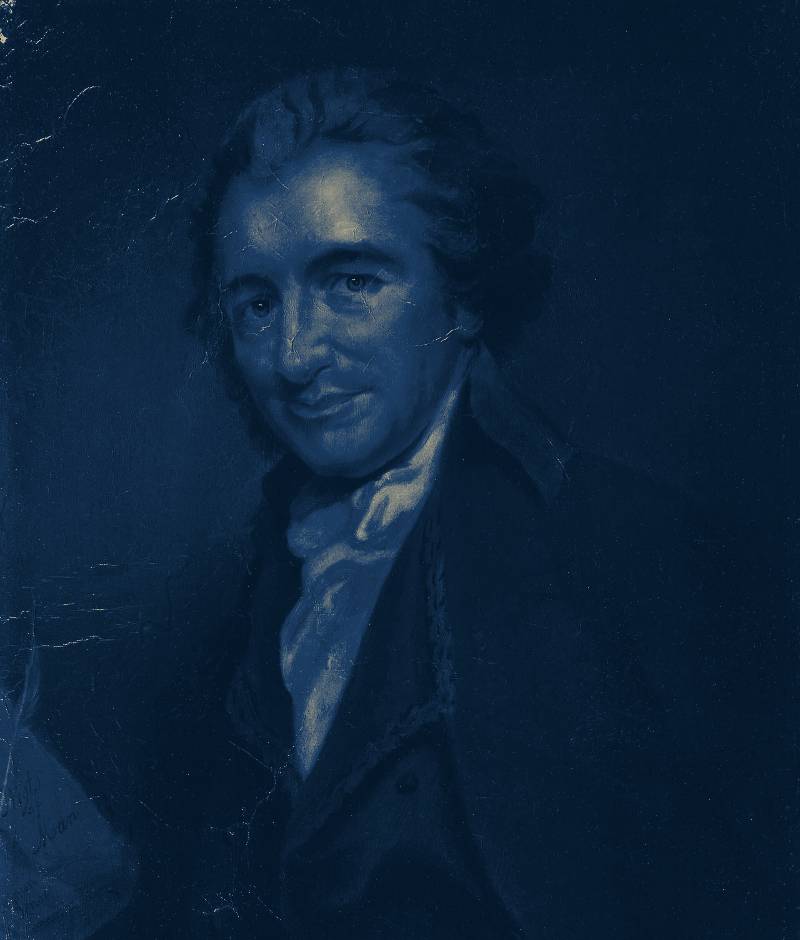
In America THE LAW IS KING. For as in absolute governments the King is law, so in free countries the law ought to be king.
Thomas Paine
Common Sense, 1776
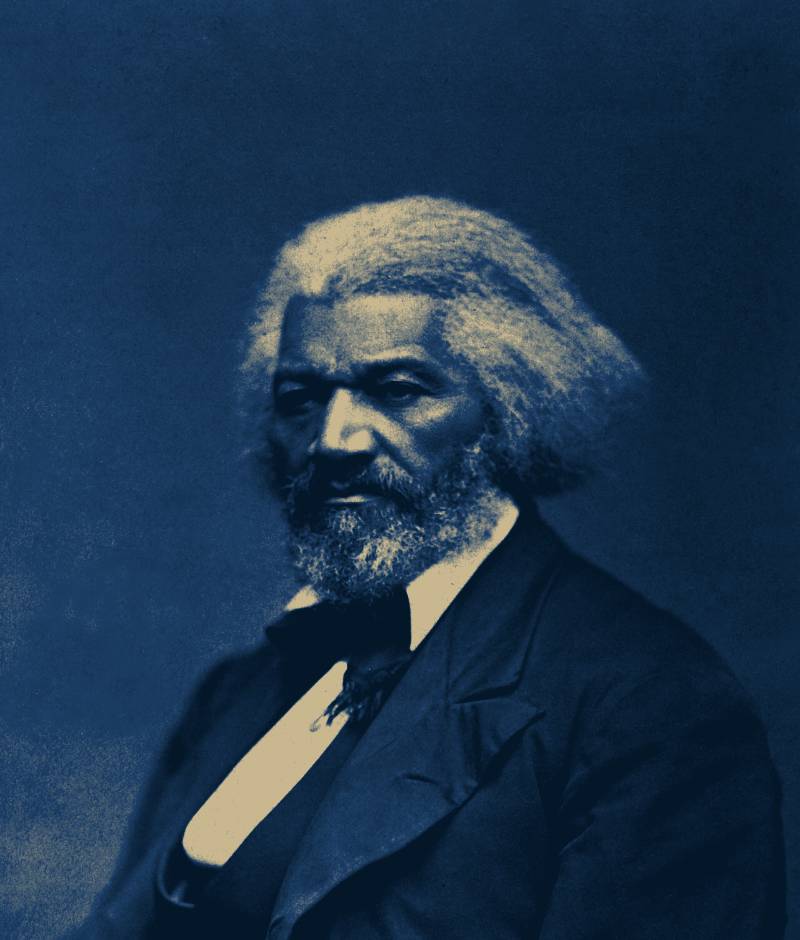
Where justice is denied, where poverty is enforced, where ignorance prevails, and where any one class is made to feel that society is an organized conspiracy to oppress, rob and degrade them, neither persons nor property will be safe.
Frederick Douglass
Civil Rights Mass-Meeting, Washington, D.C., 1883
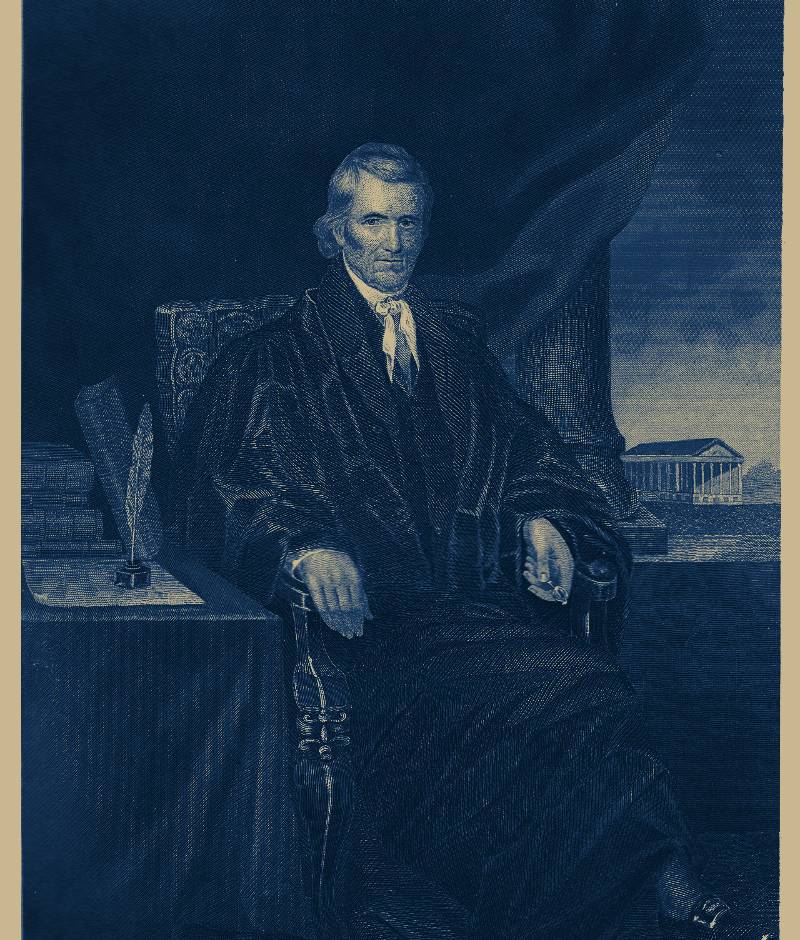
The government of the United States has been emphatically termed a government of laws, and not of men.
Chief Justice John Marshall
Marbury v. Madison, 1803
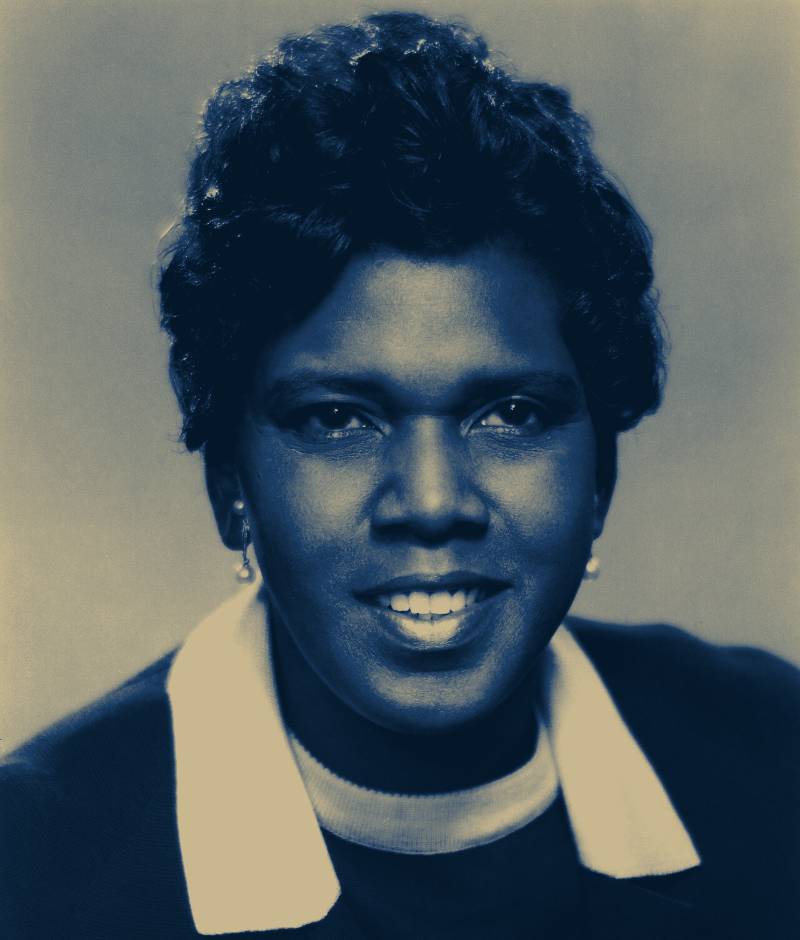
My faith in the Constitution is whole; it is complete; it is total.
Rep. Barbara Jordan
House Judiciary Committee, impeachment hearings, 1974
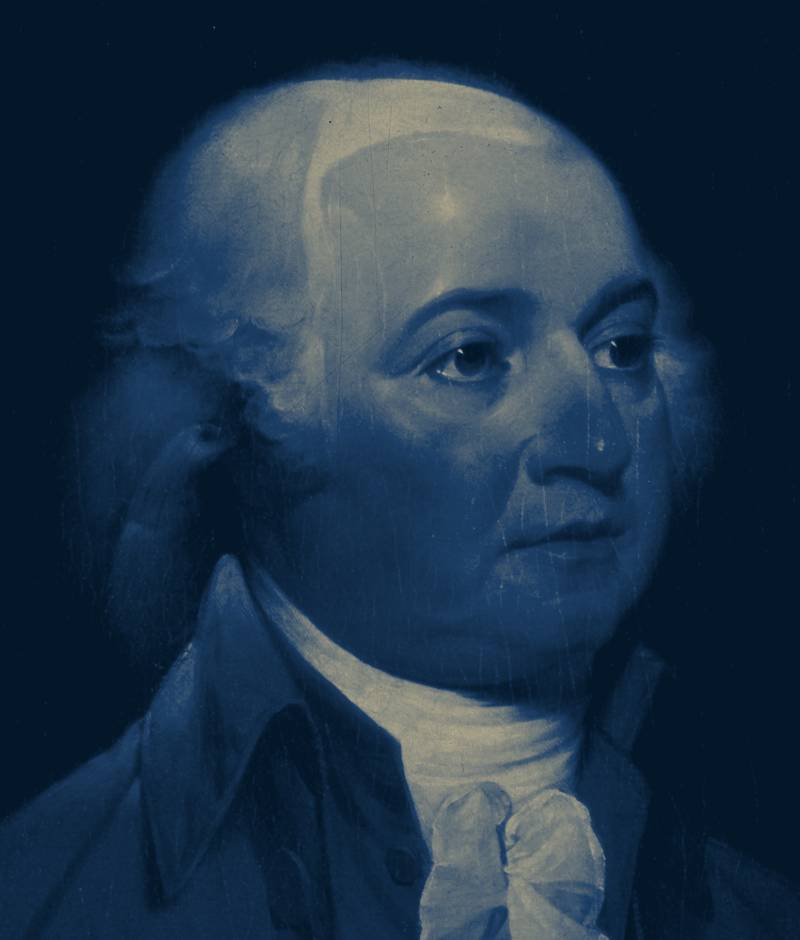
A government of laws, and not of men.
John Adams
Massachusetts Constitution, 1780
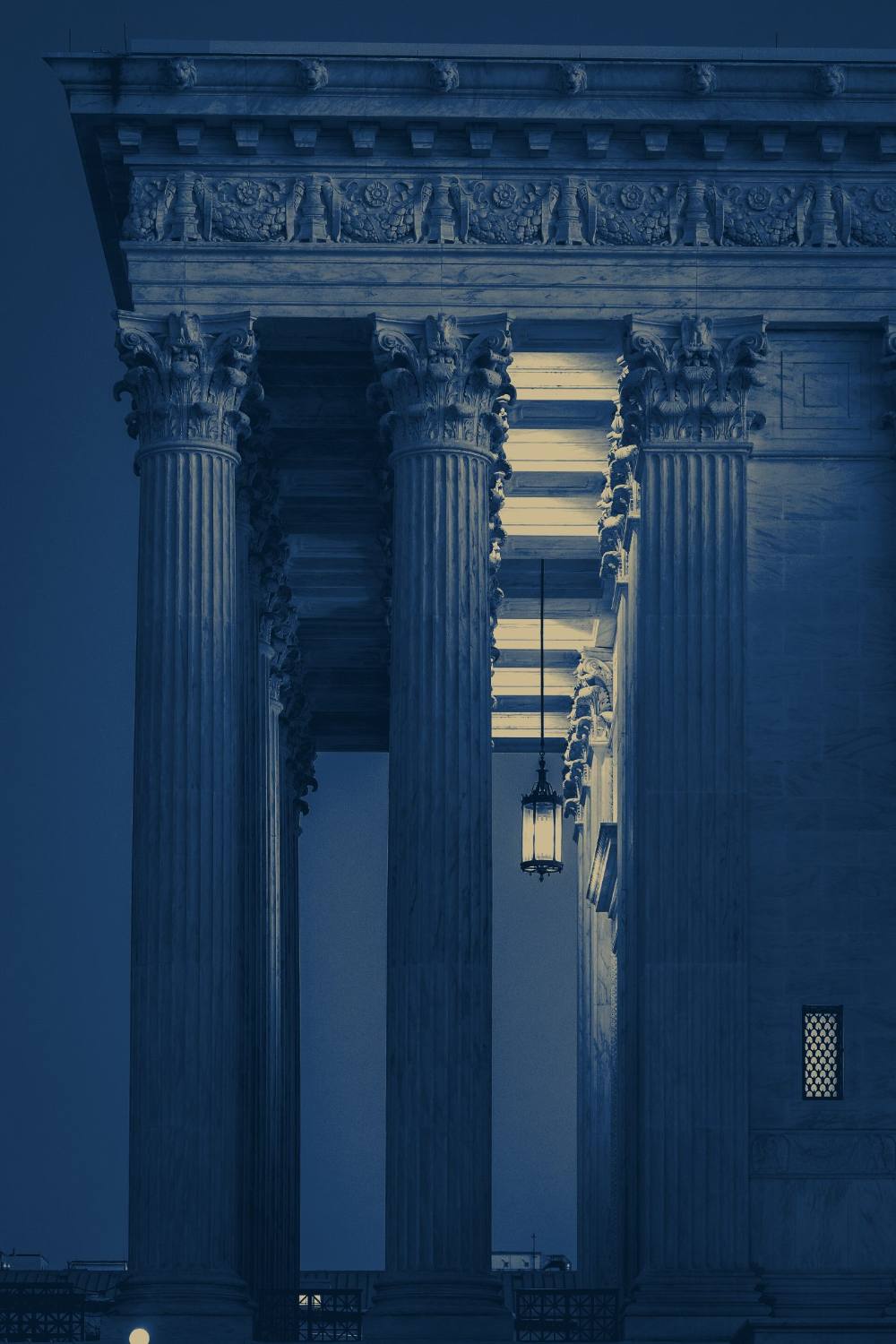
No man in this country is so high that he is above the law. No officer of the law may set that law at defiance with impunity.
Justice Samuel F. Miller
United States v. Lee, 1882

The way to right wrongs is to turn the light of truth upon them.
Ida B. Wells
Anti-lynching journalist and investigator
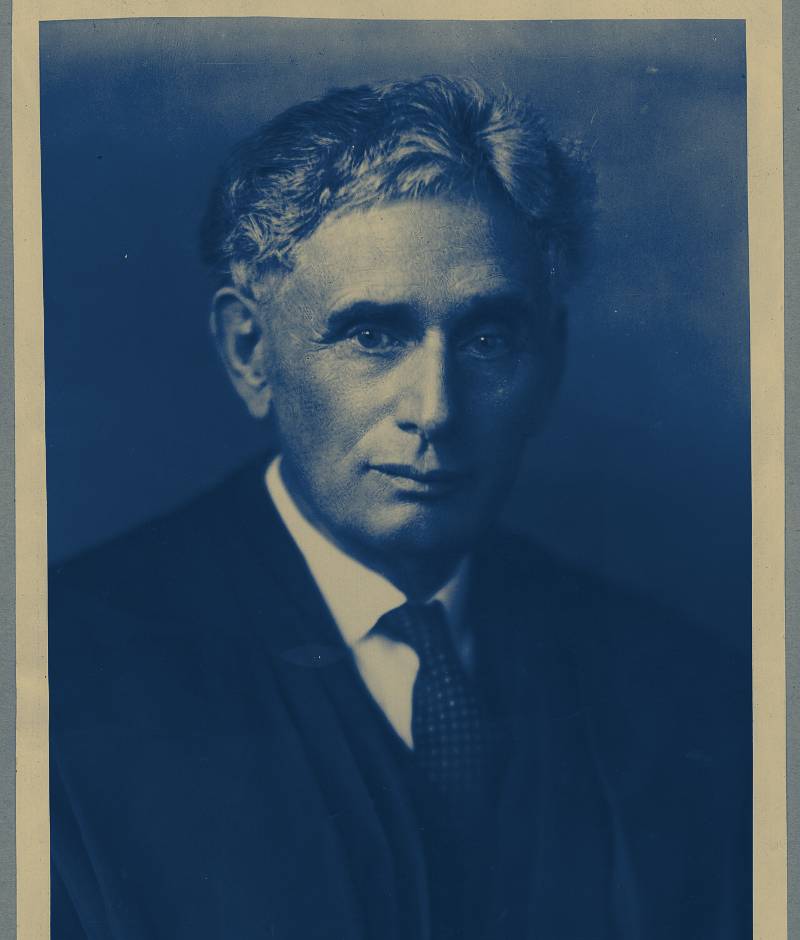
If the government becomes a lawbreaker, it breeds contempt for law; it invites every man to become a law unto himself; it invites anarchy.
Justice Louis D. Brandeis
Olmstead v. United States, 1928 (dissent)
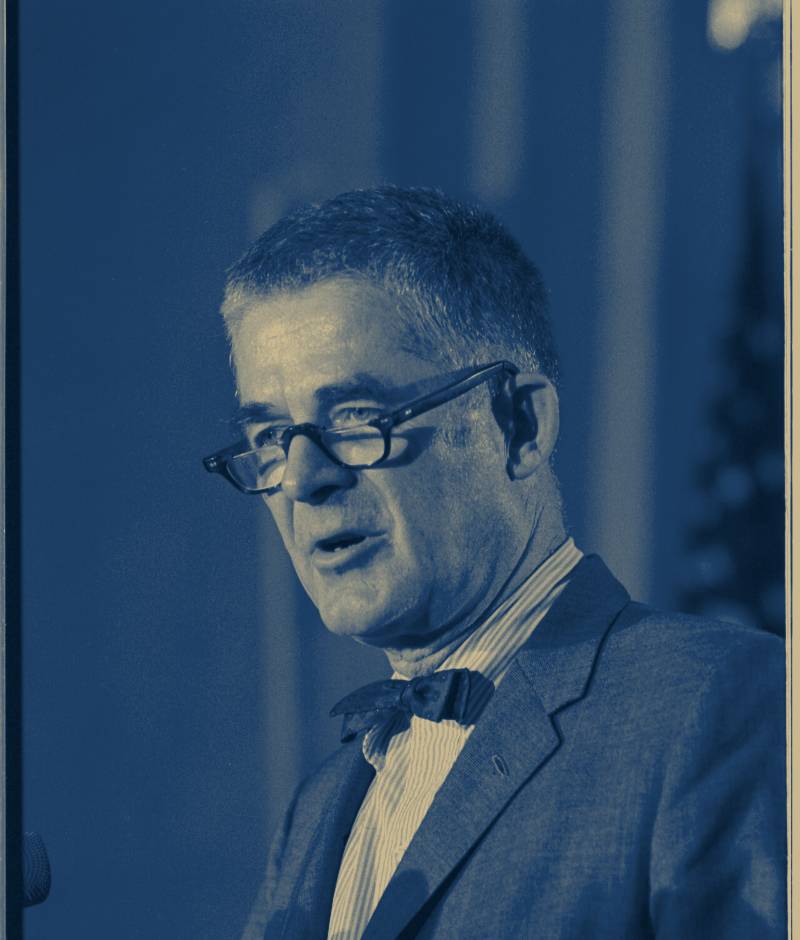
Whether ours shall continue to be a government of laws and not of men is now for Congress, and ultimately, the American people.
Archibald Cox
Special Prosecutor, press conference, October 20, 1973
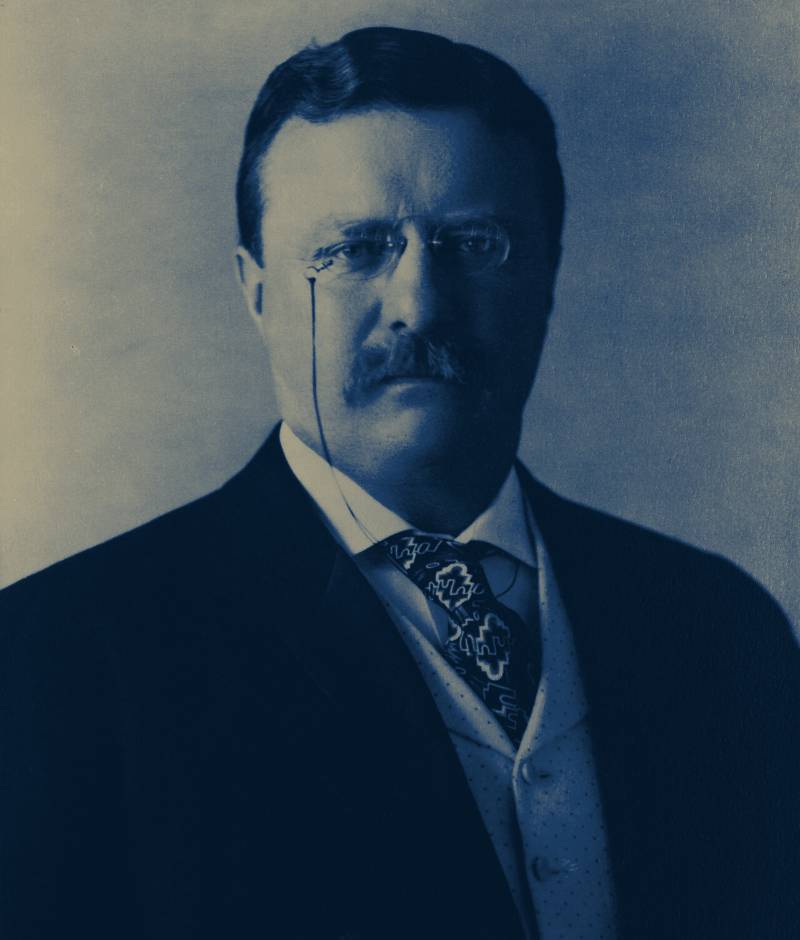
No man is above the law and no man is below it: nor do we ask any man’s permission when we require him to obey it.
Theodore Roosevelt
Third Annual Message to Congress, 1903
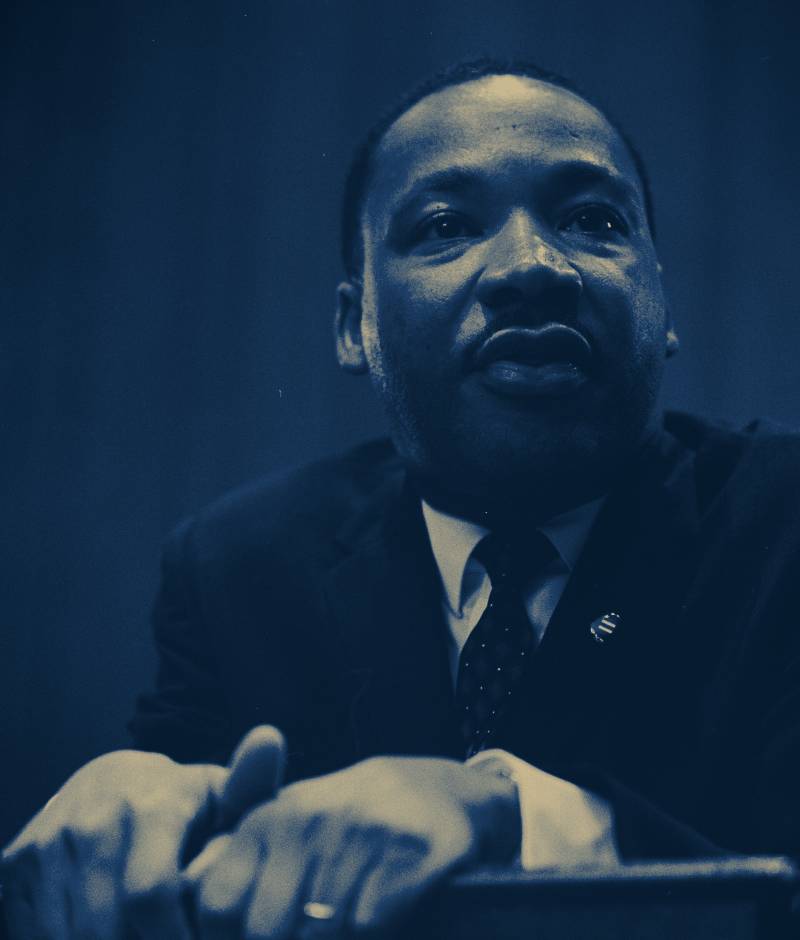
Injustice anywhere is a threat to justice everywhere.
Martin Luther King Jr.
Letter from Birmingham Jail, 1963
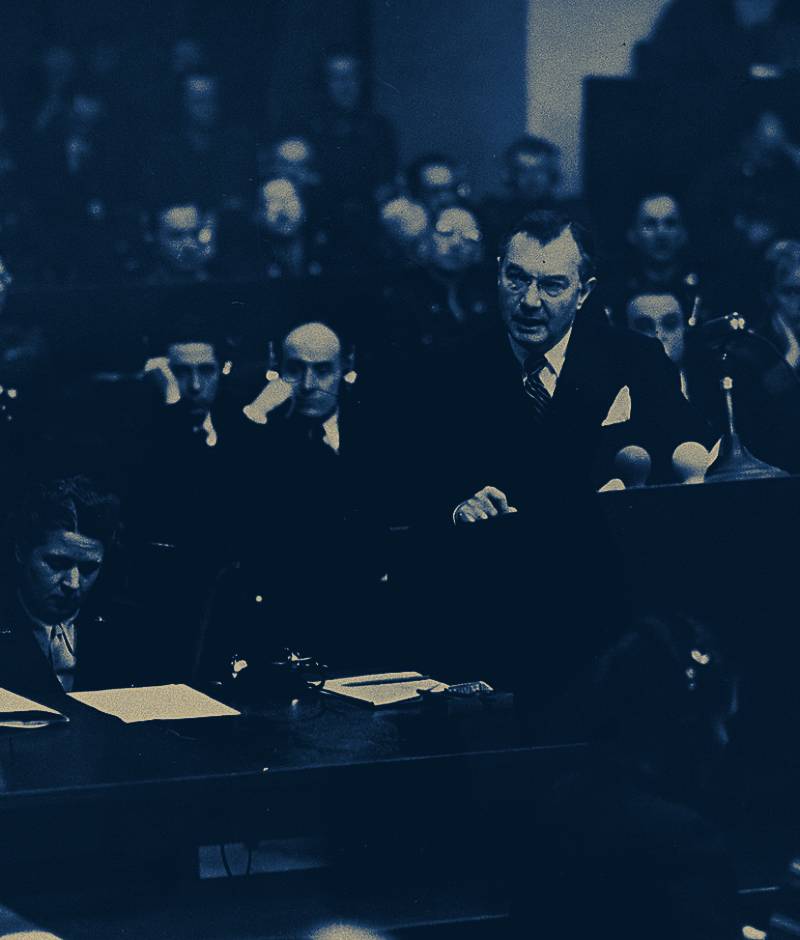
That four great nations, flushed with victory and stung with injury, stay the hand of vengeance and voluntarily submit their captive enemies to the judgment of the law is one of the most significant tributes that Power has ever paid to Reason.
Justice Robert H. Jackson
Opening statement at Nuremberg, 1945
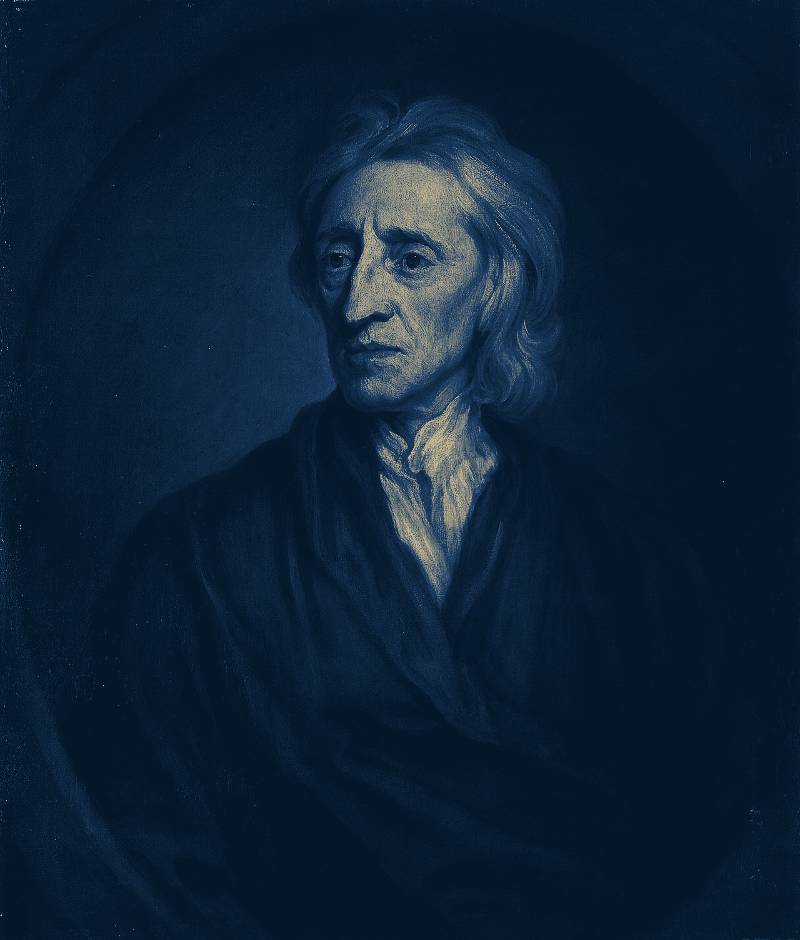
Wherever law ends, tyranny begins.
John Locke
Second Treatise of Government, 1689
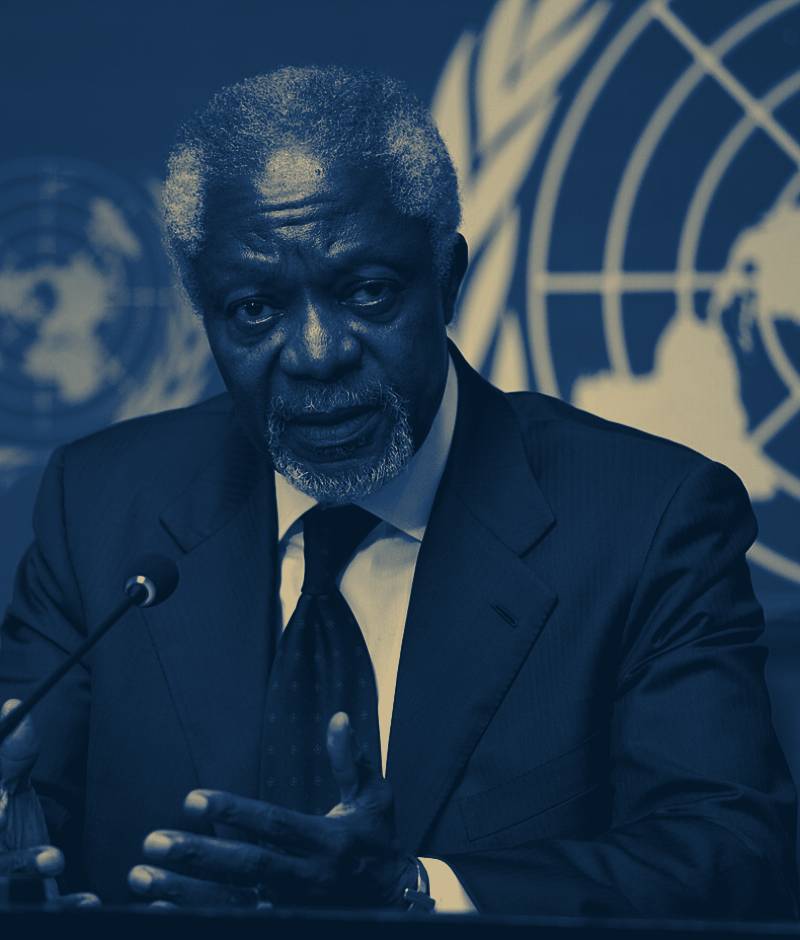
The rule of law … refers to a principle of governance in which all persons, institutions and entities, public and private, including the State itself, are accountable to laws that are publicly promulgated, equally enforced and independently adjudicated.
Kofi Annan
UN Secretary-General, report on the rule of law, 2004
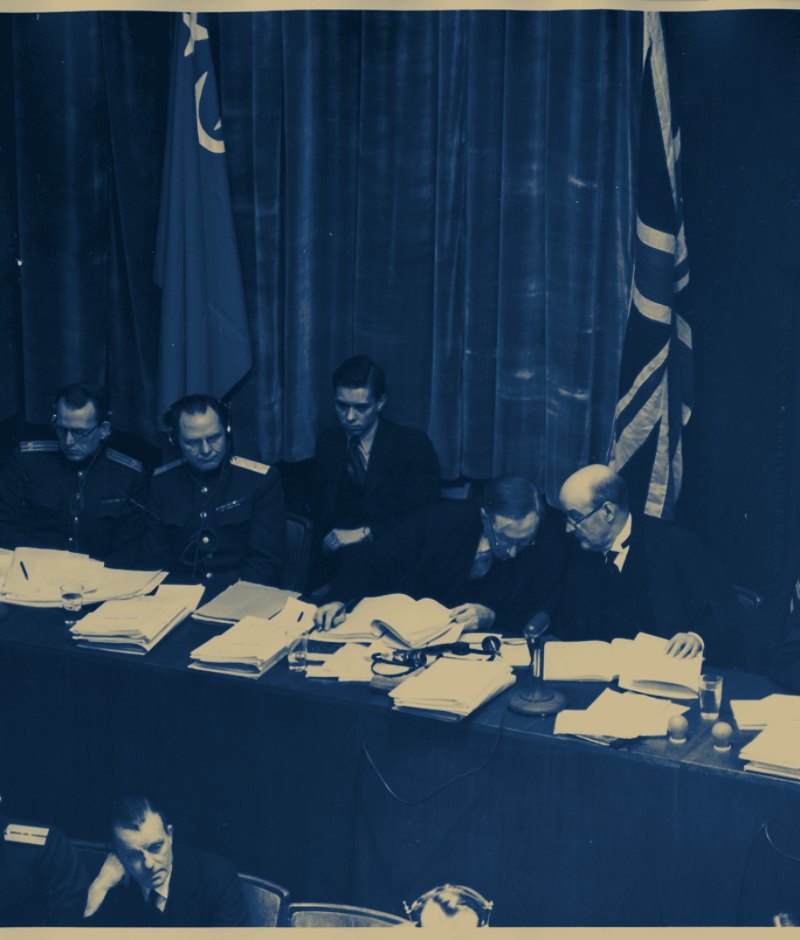
Crimes against international law are committed by men, not by abstract entities, and only by punishing individuals who commit such crimes can the provisions of international law be enforced.
International Military Tribunal at Nuremberg
Judgment, 1946

We will sell to no man, we will not deny or defer to any man either Justice or Right.
Magna Carta
Chapter 29 of the 1297 statutory version (clauses 39–40 of the 1215 charter)
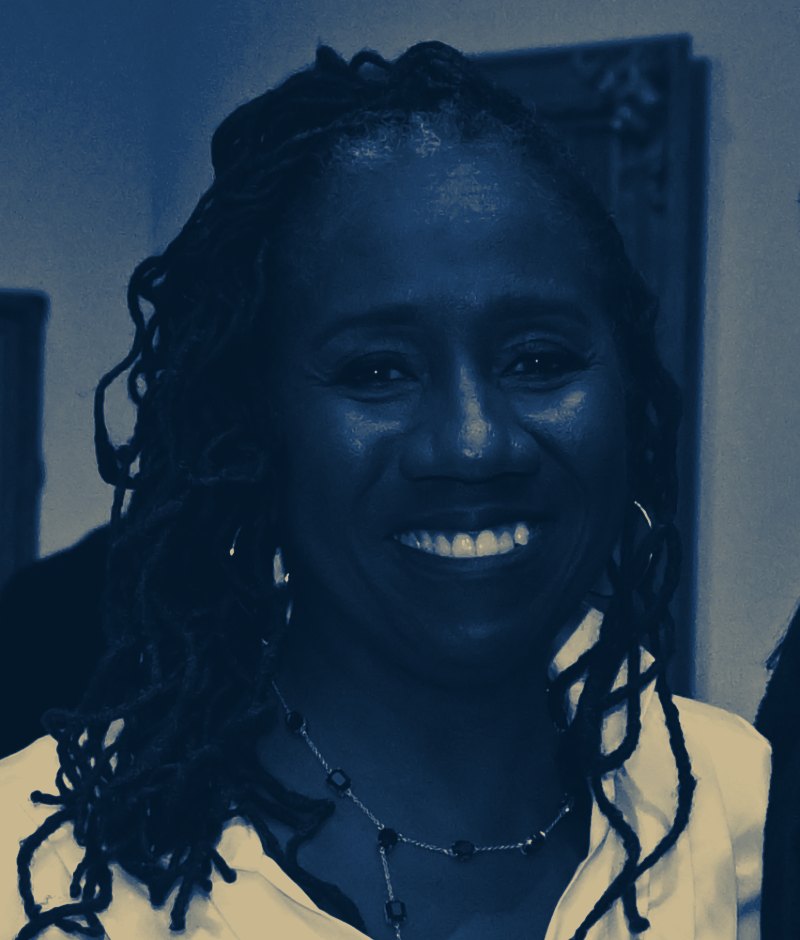
Democracies unravel when the rule of law unravels.
Sherrilyn Ifill
Civil rights lawyer and law professor, ABA Thurgood Marshall Award remarks, 2022

Failure to combat impunity opens the door to new violations.
Louise Arbour
Former chief prosecutor of the Yugoslavia and Rwanda tribunals, remarks in Bern, April 2006
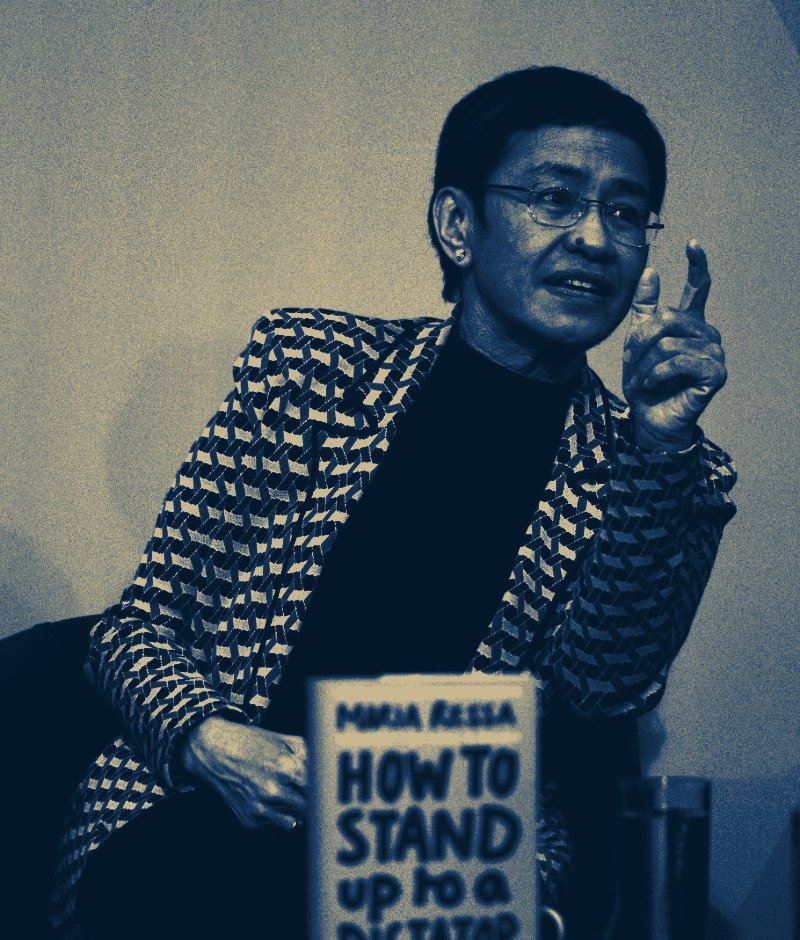
Too many powerful people are getting away with impunity, from countries to companies.
Maria Ressa
Journalist and 2021 Nobel Peace laureate, Harvard Commencement address, 2024
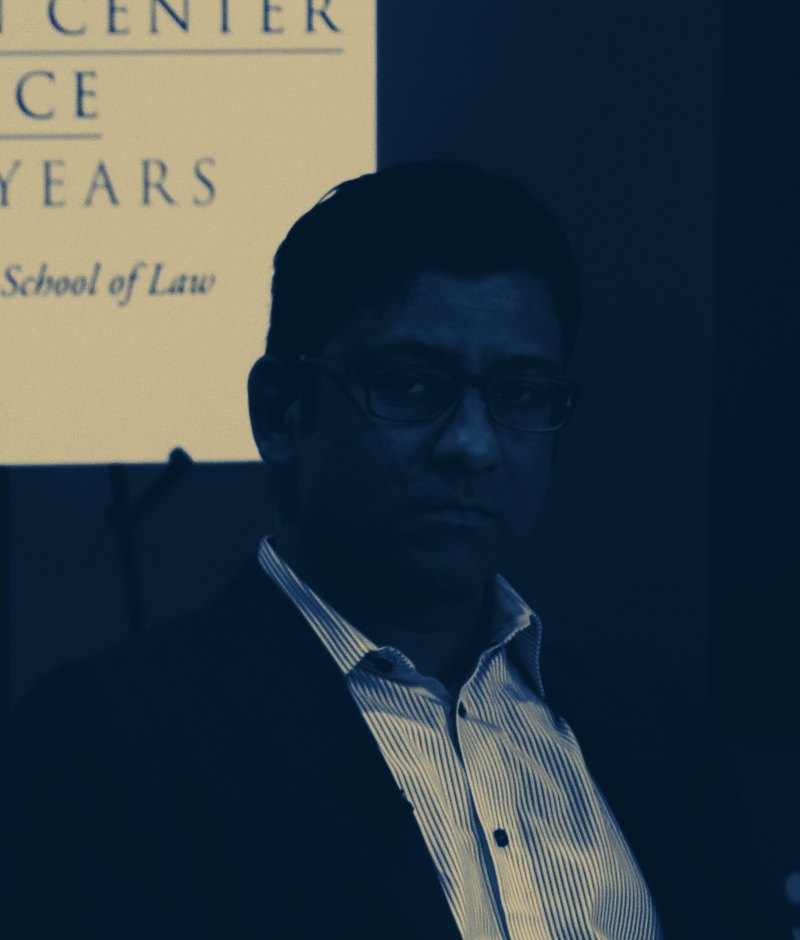
Today, by and large, the state wields its hobnailed boot and billy club with no fear at all of reprisal or reproach.
Aziz Huq
Law professor, University of Chicago
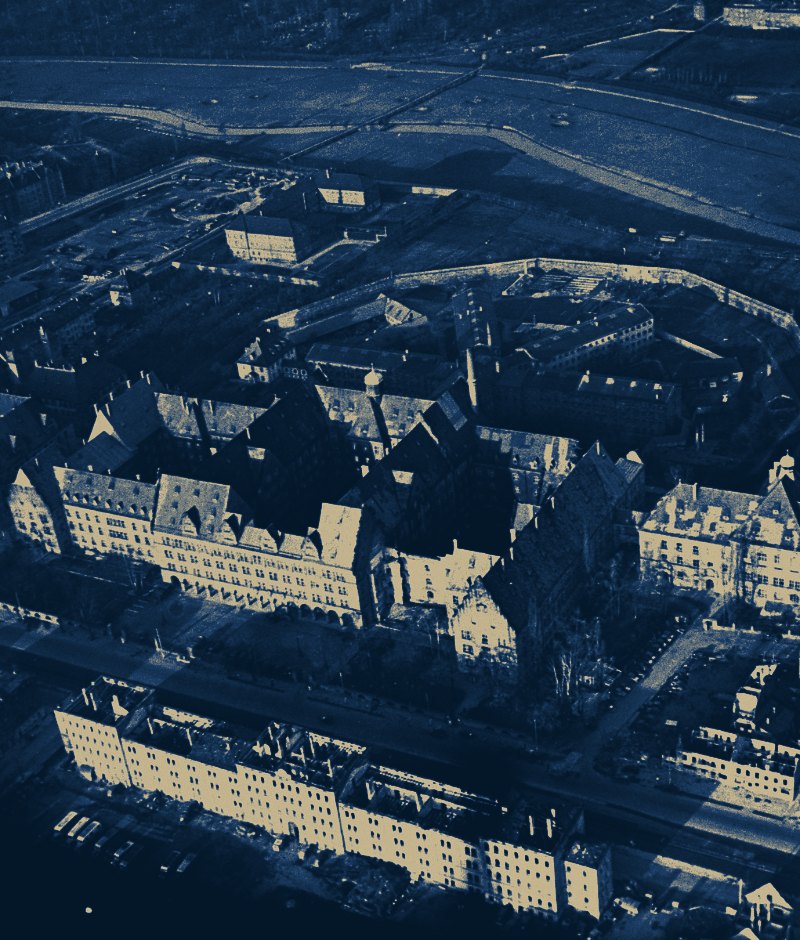
The fact that a person who committed an act which constitutes a crime under international law acted as Head of State or responsible Government official does not relieve him from responsibility under international law.
Nuremberg Principles
International Law Commission, 1950, Principle III
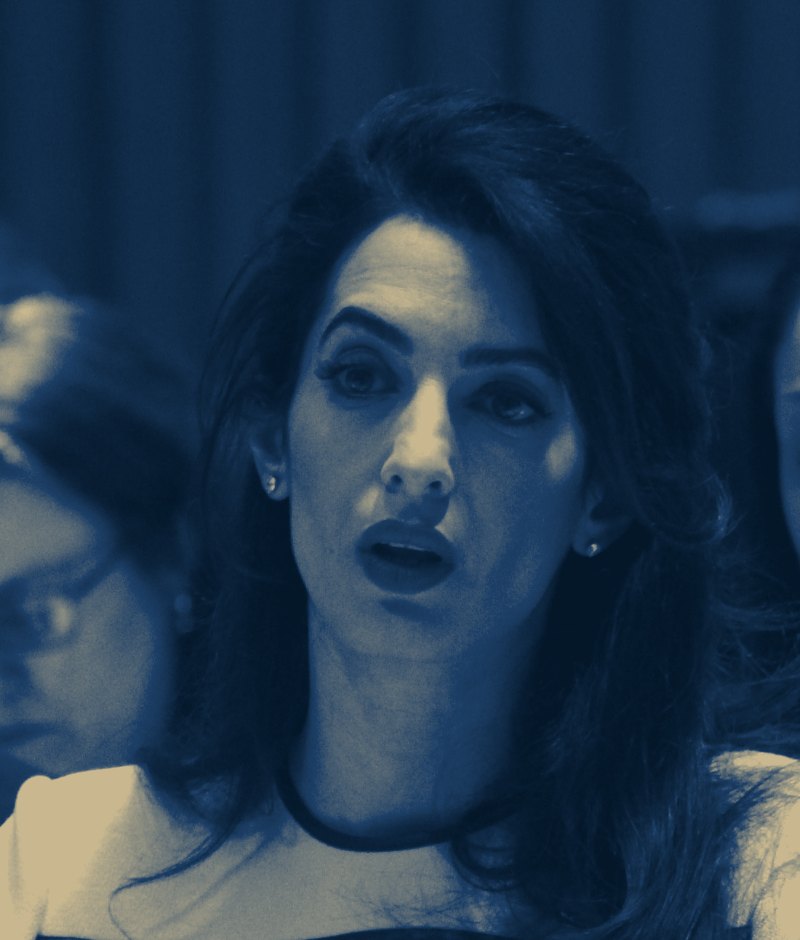
The historical record shows that the fuel for violence is impunity.
Amal Clooney
Human rights barrister, Just Security, May 2021

The fulcrum of the case for criminal punishment is that it is the most effective insurance against future repression.
Diane F. Orentlicher
“Settling Accounts: The Duty to Prosecute Human Rights Violations of a Prior Regime,” Yale Law Journal, 1991

The widespread diffusion of the norm of individual criminal accountability, when it is embedded in law and institutions … can help prevent or deter human rights violations in the future.
Kathryn Sikkink
The Justice Cascade, 2011
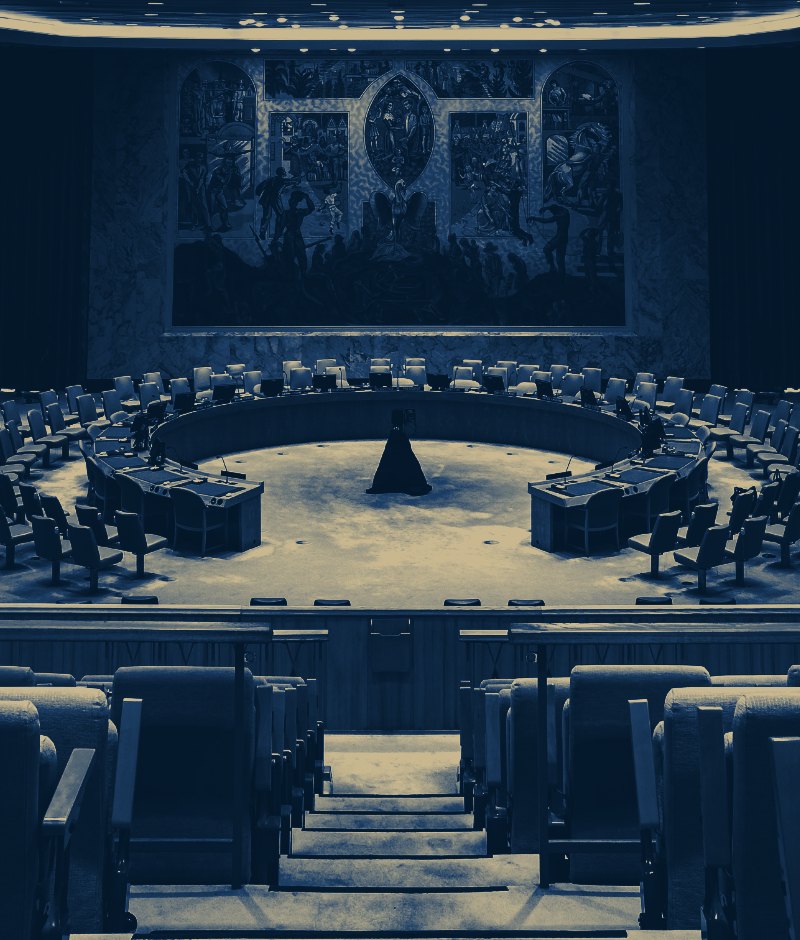
The basis of the rule of law is that no person, no matter his or her position, is above the law.
David Tolbert
With Andrew Solomon, “United Nations Reform and Supporting the Rule of Law in Post-Conflict Societies,” Harvard Human Rights Journal, 2006
Photo credits
Some photos on this page are used under Creative Commons licenses and have been cropped and color-adjusted.
Sherrilyn Ifill: photo by Maryland GovPics, CC BY 2.0
Louise Arbour: photo by World Economic Forum, CC BY-SA 2.0
Maria Ressa: photo by Jaramo81, CC BY 4.0
Aziz Huq: photo by New America, CC BY 2.0
Amal Clooney: photo by UK Mission to the UN, CC BY 2.0
Kathryn Sikkink: photo by SOAS University of London, CC BY 3.0
David Tolbert card (UN Security Council chamber): photo by Jdforrester, CC BY 4.0
Public domain or CC0, via Wikimedia Commons: Nuremberg Trials judges panel (U.S. Army Signal Corps); Palace of Justice, Nuremberg; Magna Carta, British Library; Sterling Law Building, Yale.