
Our People
Staff
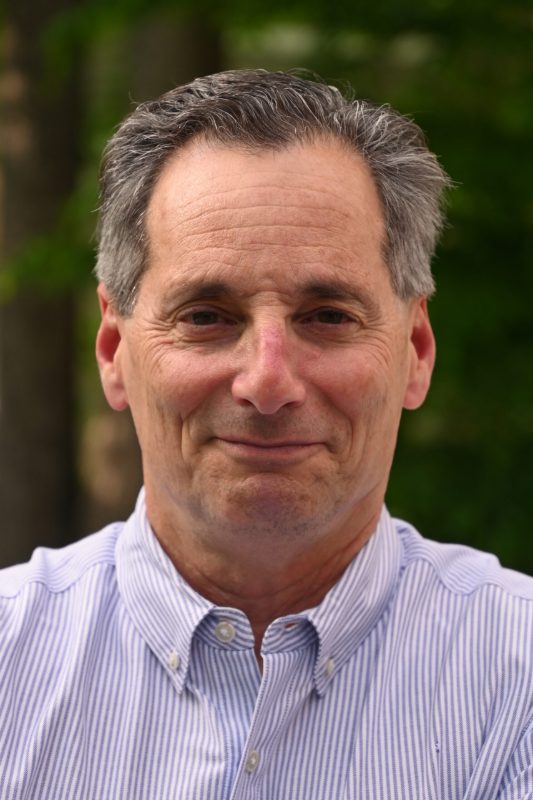
Mark Blumberg
Executive Director & Chief Legal Counsel
Read Mark’s bio
Mark Blumberg is the Executive Director and Chief Legal Counsel of The Rule of Law Project. He spent nearly 30 years in the Civil Rights Division of the U.S. Department of Justice, most recently as Special Legal Counsel, where he investigated complex official-misconduct conspiracies, developed new prosecutorial theories, and led national initiatives to protect democratic institutions.
Mark is known for uncovering the truth inside closed law-enforcement cultures, white supremacist networks, and corporate concealment schemes. He trained generations of federal prosecutors and agents in grand-jury practice, witness interrogation, and investigative strategy. He also served on the FBI’s Shooting Investigation Review Group and CBP’s National Use of Force Review Board, giving him rare insight into internal accountability systems within federal agencies. He created the Division’s initiative to combat voter suppression and led it for two decades, and he is a national expert on investigating crimes that deny the right to vote.
At the Project, Mark directs all aspects of the organization’s work. He sets its strategic priorities, oversees independent investigations that preserve evidence, document misconduct, and prepare cases for referral to state prosecutors and, where possible, future federal authorities, and he builds and leads the Project’s staff of investigators, attorneys, and researchers. He also works with the Board of Directors on governance and long-term planning, leads fundraising and donor relations, develops partnerships with legal organizations, advocacy groups, and state officials, and serves as the Project’s principal public voice. His work rests on a simple principle: the law applies equally to everyone, including those who enforce it.
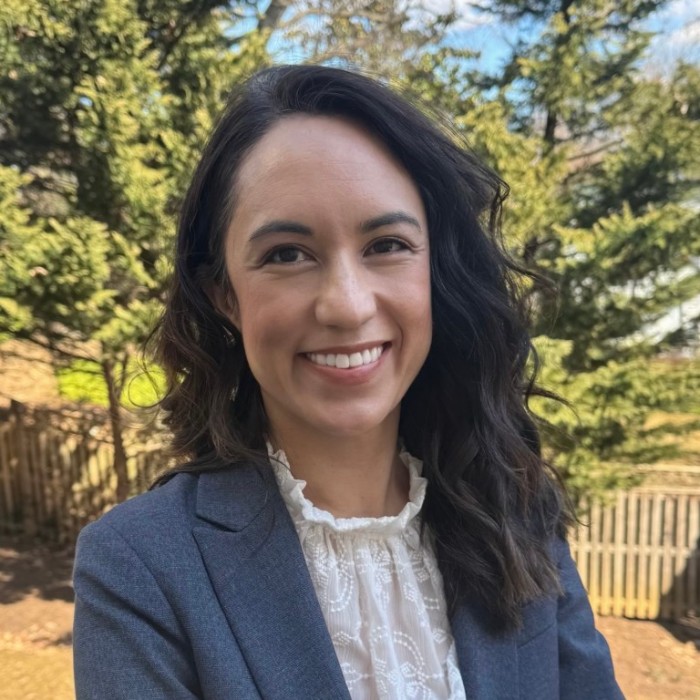
Julia Gegenheimer
Special Legal Counsel
Read Julia’s bio
Julia Gegenheimer is Special Legal Counsel at The Rule of Law Project, responsible for developing investigations into allegations of unnecessary force and interference with protected liberties committed by immigration agents.
From her roles inside and outside of the federal government, Julia has extensive experience investigating and prosecuting official misconduct and violent crime. Julia joined The Rule of Law Project from the Institute for Constitutional Advocacy and Protection (ICAP) at Georgetown Law, where she led high-impact litigation focused on defending constitutional rights, public safety, and democratic processes. While at ICAP, she counseled the Hennepin County Attorney’s Office in its efforts to investigate and prosecute multiple shootings and assaults by federal immigration agents during Minnesota’s Operation Metro Surge. Julia was also counsel to the Illinois Accountability Commission, investigating and building cases that documented misconduct by federal officials during Operation Midway Blitz in Chicago.
Prior to joining ICAP, Julia served for nearly 15 years as a federal prosecutor with the U.S. Department of Justice. As an Assistant Special Counsel with the Jack Smith Special Counsel’s Office, Julia helped develop and litigate the fraud, obstruction, and civil rights case charging interference in the results of the 2020 Presidential Election. Before that, Julia was a Special Litigation Counsel in the Civil Rights Division’s Criminal Section. There, Julia prosecuted complex and high-profile federal civil rights violations, including constitutional violations committed under color of law and hate crimes. She also applied her leading expertise in extremism and domestic terrorism by, among other things, investigating and litigating the mass shooting at Pittsburgh’s Tree of Life Synagogue and serving as the Civil Rights Division’s inaugural Anti-Domestic Terrorism Coordinator.
Julia has received multiple awards for her work as a federal prosecutor. She was awarded the Attorney General’s David Margolis Award for Exceptional Service and the Attorney General’s Award for Distinguished Service, the Justice Department’s two highest honors. Julia earlier served as a law clerk to Judge James S. Gwin of the United States District Court for the Northern District of Ohio. She is a graduate of Harvard Law School and Yale College.
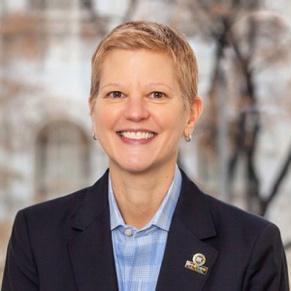
Cynthia Deitle
Chief Investigator
Read Cynthia’s bio
Cynthia M. Deitle, JD, LLM, currently serves as the Chief Investigator for The Rule of Law Project. She retired as a special agent with the Federal Bureau of Investigation after serving for 22 years, including supervising the Public Corruption and Civil Rights Programs in the Boston Division. Her expertise includes investigating allegations of police misconduct resulting in her promotion to Chief of the Bureau’s Civil Rights Unit. Deitle finished her career in the Knoxville Division.
She is a graduate of The Ohio State University where she earned a Bachelor of Arts degree, and a cum laude graduate of New England Law Boston where she earned her Juris Doctor degree. Deitle earned a Master of Laws in Criminal Law from New York University School of Law and a Master of Laws in Constitutional Law from the George Washington University National Law Center. Currently, she is pursuing a Master of Public Policy degree from the University of Tennessee. She is licensed to practice law in Florida, Massachusetts, the District of Columbia, and Tennessee. Deitle is an adjunct law professor at the University of Miami School of Law and is a standing guest lecturer at Northeastern University School of Law’s Civil Rights and Restorative Justice Clinic.
Prior to joining The Project, Deitle was the Director of Public Policy, External Affairs team at Meta Platforms, Inc. She joined the Civil Rights Team at Meta in 2021 as their Director, Associate General Counsel. Before then, she served as the Director of Civil Rights Reform at the Matthew Shepard Foundation for four years and led their national hate crime training program for law enforcement officers and prosecutors. She has published several law review articles.
Board of Directors
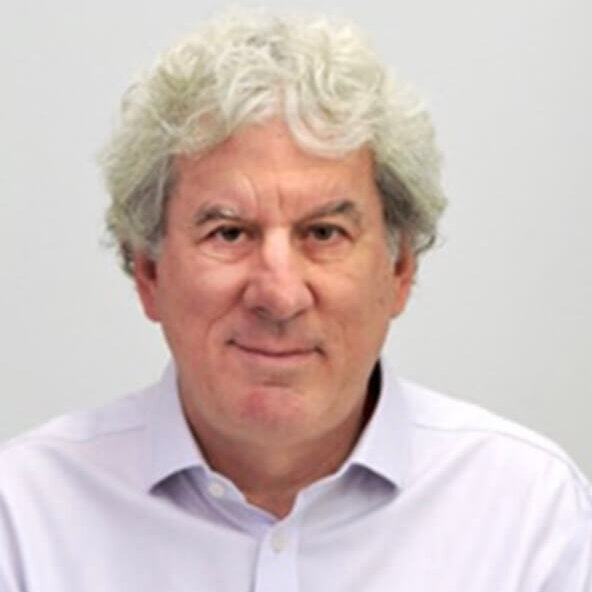
Brad Adams
Chair & Co-Founder
Read Brad’s bio
Brad Adams is a Co-Founder of The Rule of Law Project, and the Chair of the Board.
Brad is also the Founder and Executive Director of Climate Rights International, an NGO which conducts research and advocacy into the human rights effects of climate change. From 2002–2022, he was the Executive Director of the Asia division at Human Rights Watch, where he oversaw investigations, advocacy and media work in twenty countries including China, India, Indonesia, Philippines, Vietnam, Myanmar, Japan, and North Korea.
He worked on issues such as attacks on environmental and human rights defenders, land rights, labor rights, the protection of civil society, freedom of expression, refugees, women’s rights, impunity, and international justice. Brad has written for the New York Times, Washington Post, the Guardian, Foreign Affairs, and the Wall Street Journal, among others. He has regularly appeared on the BBC, CNN, Al Jazeera, and other major media.
Prior to Human Rights Watch, Brad worked in Cambodia for five years as the senior lawyer for the Cambodia field office of the United Nations High Commissioner for Human Rights and as legal advisor to the Cambodian parliament’s human rights committee, conducting human rights investigations, supervising a judicial reform program, and drafting and revising legislation. He was the founder of the Berkeley Community Law Center (now the East Bay Community Law Center), where he worked as a legal aid lawyer. He periodically teaches International Human Rights Law and Practice at the University of California, Berkeley, School of Law, and is a member of the California State Bar.

Kenneth Roth
Read Kenneth’s bio
Kenneth Roth is a senior fellow at Yale University. He is also a Guardian US columnist. Until August 2022, he served for nearly three decades as the executive director of Human Rights Watch, which he built into a global institution operating in some 100 countries.
He has conducted numerous human rights investigative and advocacy missions around the world, meeting with dozens of heads of state and countless ministers, is quoted widely in the media, and has written hundreds of articles on a wide range of human rights issues, devoting special attention to the world’s most dire situations, the conduct of war, international justice, the foreign policies of the major powers, the work of the United Nations, and the global contest between autocracy and democracy.
His book, “Righting Wrongs: Three Decades on the Front Lines Battling Abusive Governments,” offers an insider’s view of the strategies developed by Human Rights Watch to put pressure on governments to respect human rights.

Marty Krasney
Read Marty’s bio
Marty Krasney, an educator, strategist, organizational executive and writer, was the designer and founding executive director, for nine years, of Dalai Lama Fellows, a highly selective, non-denominational international network of early-career contemplative, social-justice activists from more than sixty nations, predominantly African and Islamic. His prior work in the not-for-profit sector includes having served as program director of the National Humanities Series at the Woodrow Wilson Foundation in Princeton, NJ; the first director of the Aspen Institute Executive Seminars, the founding president of American Leadership Forum and the executive director of The Coalition for the Presidio Pacific Center in San Francisco. His corporate employment includes directing public affairs at Levi Strauss & Co. and managing executive development at ARCO.
He has extensive NGO board experience in the arts, environment, health, pre-collegiate education, leadership development, philanthropy and social justice. His poems and short stories have been published in more than twenty American and British journals. He was an English major at Princeton, did graduate work in literature at Michigan and broadcasting and film at Stanford and has a Harvard MBA.

Frank Hespe
Read Frank’s bio
Frank Hespe has been an attorney for almost 40 years and is presently acting as an attorney, mediator, administrative hearings officer and professional fiduciary in Carmel, California. He was previously with the law firm of Nicora and Hespe where he was a partner for ten years, specializing in trust litigation.
From 2005-2009, Mr. Hespe worked for the American Bar Association in a number of different positions over a four-year period, including Legal Specialist, Country Director and Regional Director in such places as Qatar, Azerbaijan, and the Central Asian nations of Kazakhstan, Kyrgyzstan, Tajikistan, Turkmenistan, and Uzbekistan. Mr. Hespe specializes in being Chief of Party for Rule of Law programs in challenging and post-conflict environments, including directing programs on anti-corruption, gender equality, training judges, law school development and curriculum reform, continuing legal education and Bar Association reform.
Before his work abroad, from 2002 to 2005, Mr. Hespe served as Dean of the Monterey College of Law and has served as an adjunct law professor and the Director of Clinical Studies at the law school for over 27 years.
From 1993 to 2001, he served as the Executive Director of Legal Services for Seniors, a non-profit organization dedicated to assisting low-income senior citizens in Monterey County.
In the area of Community Service, Mr. Hespe has been Judge Pro Tem of the Small Claims and Traffic Court Division of the Monterey Superior Court; president and treasurer of the Monterey County Bar Association; legal counsel for Naval Postgraduate School Foundation, member of the United Nations Association, co-chair of the United Way of the Salinas Valley; past president and member of the board of directors of the Charitable Council of Monterey County; member of board of directors of Leadership Monterey Peninsula, member of the City of Pacific Grove Senior Housing Committee; member of the Planned Giving Advisory Council of California State University, Monterey Bay; member of the board of directors of the Alzheimer’s Association, Monterey County chapter; and member of the board of directors of the Berkeley Community Law Center and founding member of the University of California, Berkeley School of Law’s free legal clinic. Most recently he serves on the boards of Climate Rights International and The Rule of Law Project.
Mr. Hespe earned his B.A., summa cum laude, from Rutgers University in 1983, and his J.D. degree from the University of California, Berkeley School of Law in 1988.
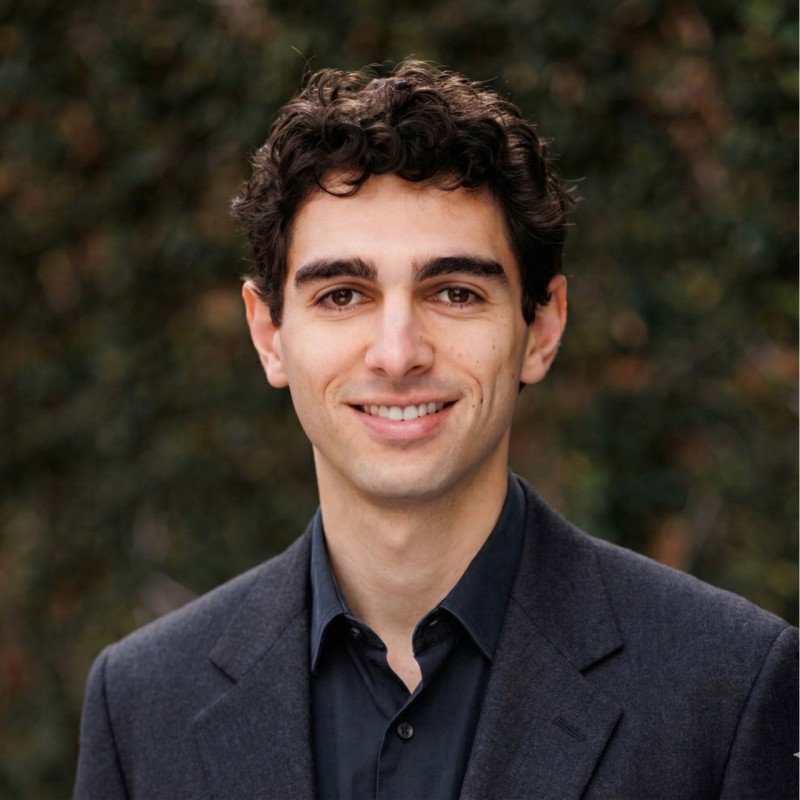
Jasper Adams
Co-Founder
Read Jasper’s bio
Jasper Adams is a co-founder of The Rule of Law Project and serves as Secretary and Treasurer of the Board of Directors. He is a J.D. candidate at Stanford Law School, where he is a member of the Supreme Court Litigation Clinic, the Stanford Law Review, and the Workers’ Rights Pro Bono Project. Previously, he worked on federal impact litigation defending immigrants’ rights at the ACLU of Northern California. He holds an MSc in Philosophy & Public Policy from the London School of Economics and a B.A. in Philosophy from UC Berkeley.
Advisory Council
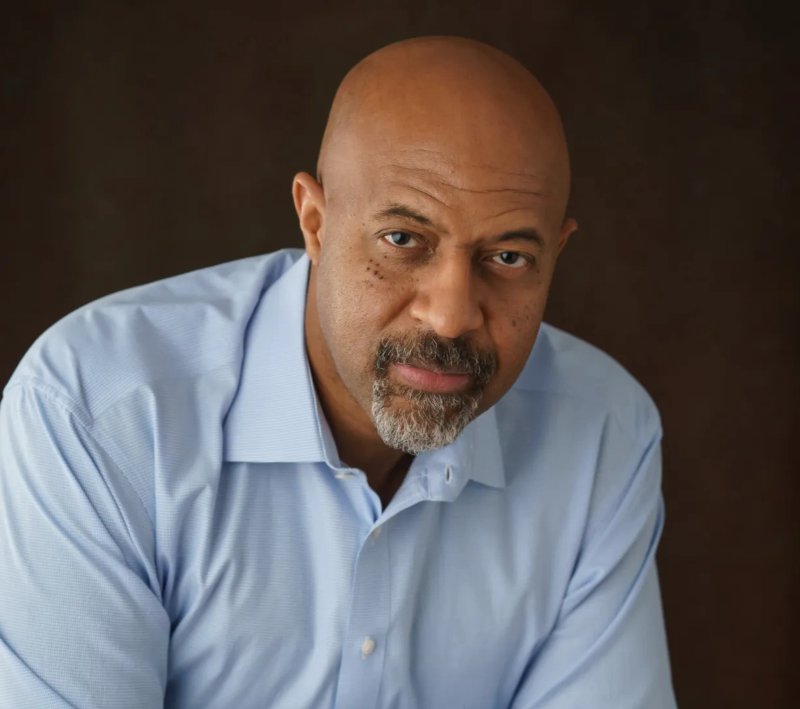
Roy L. Austin, Jr.
Director, AI Initiative, Howard University School of Law
Former Deputy Assistant to the President
Read Roy’s bio
Roy L. Austin, Jr. is the Inaugural Director of the Howard University School of Law’s Artificial Intelligence Initiative. Previously, Roy served as Vice President of Civil Rights and Deputy General Counsel at Meta. There, Roy led a ground-breaking team of lawyers and technologists to provide counsel on issues related to civil and human rights, technology (including artificial intelligence), products, policy and corporate responsibility.
Roy was previously appointed Deputy Assistant to the President for the Office of Urban Affairs, Justice and Opportunity with the White House’s Domestic Policy Council, where he co-authored a report on Big Data and Civil Rights, worked with the President’s Task Force on 21st Century Policing, helped develop the Police Data Initiative, and was a member of President Obama’s My Brother’s Keeper Task Force.
Roy has also been a partner at two law firms, a Deputy Assistant Attorney General in the Civil Rights Division of the U.S. Department of Justice, and an Assistant United States Attorney and Trial Attorney in the Department of Justice where he tried 30 jury trials across the country and led numerous criminal investigations.
Mark Bergman
Director, Institute for Strategic Dialogue US
Read Mark’s bio
Mark Bergman is a former partner of an international law firm. In addition to being a member of Chatham House, he is associated with the International Crisis Group (member, Advisory Council), the Institute for Strategic Dialogue US (director), Bellingcat US (director), Trust in Media Cooperative (director), the American Message Foundation (director), the Valley Forge Initiative and the Leadership Now Project (an organization of business professionals concerned about the future of American democracy). Mark is an advisor to Lawfare Media and the Foreign Policy Centre and also acts as an informal advisor to other civil organizations.
Mark convenes and connects constituencies and has established himself as a thought leader on political, geopolitical and regulatory developments and trends. He focuses, in particular, on the protection of civil society and strengthening the resilience of democracy and the rule of law; countering extremism, disinformation and the weaponization of hate; combating transnational repression and kleptocracy; and supporting initiatives at the intersection of technology, democracy and civil engagement. He writes and briefs on a range of political and geopolitical subjects (through 7Pillars Global Insights, LLC), largely on the implications of the current U.S. administration.
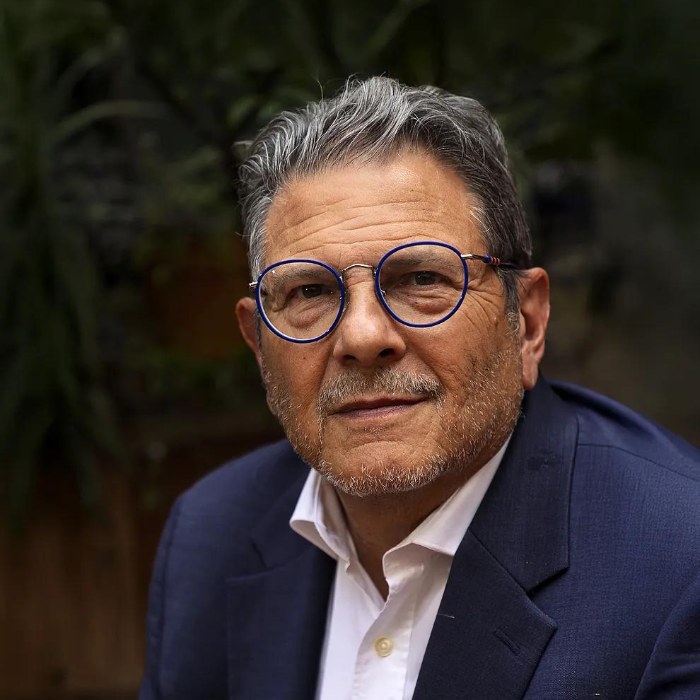
Reed Brody
Human Rights Lawyer
Former Advocacy Director, Human Rights Watch
Read Reed’s bio
Reed Brody, widely known as the “Dictator Hunter,” is a human rights lawyer who spent many years at Human Rights Watch, including as advocacy director and spokesperson. Before that he led United Nations teams investigating massacres in the Democratic Republic of Congo and monitoring human rights in El Salvador, and helped the Haitian government prosecute human rights crimes.
He was counsel for the victims who brought Chad’s former dictator Hissène Habré to justice, and has worked with victims of Augusto Pinochet, Jean-Claude Duvalier and Yahya Jammeh. In 2024 he was appointed to the UN Human Rights Council’s Group of Human Rights Experts on Nicaragua. His books include The Pinochet Papers and Victims Bring a Dictator to Justice.
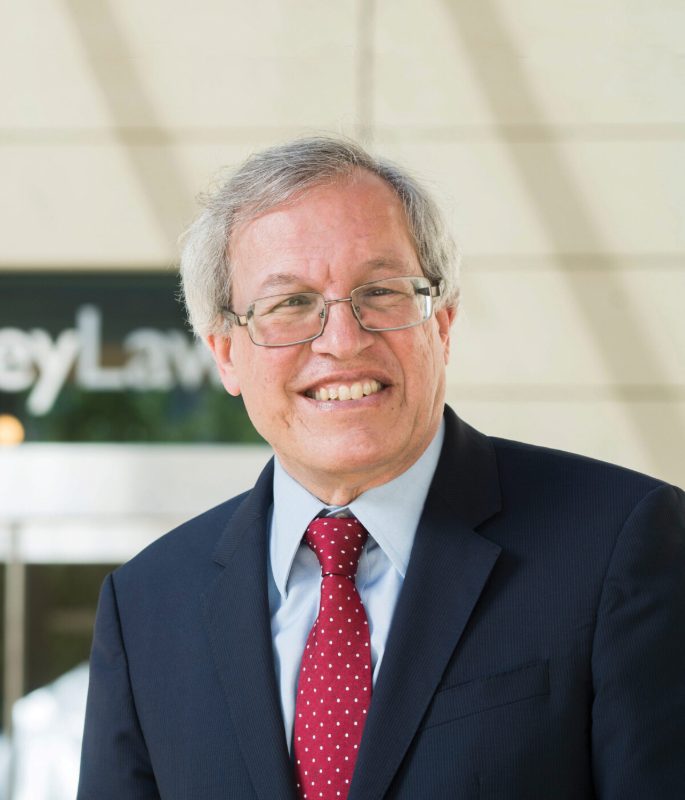
Erwin Chemerinsky
Dean, Berkeley Law
Jesse H. Choper Distinguished Professor of Law
Read Dean Chemerinsky’s bio
Erwin Chemerinsky is the Dean of Berkeley Law and Jesse H. Choper Distinguished Professor of Law. Prior to assuming this position, from 2008–2017, he was the founding Dean and Distinguished Professor of Law, and Raymond Pryke Professor of First Amendment Law, at University of California, Irvine School of Law. Before that he was the Alston and Bird Professor of Law and Political Science at Duke University from 2004–2008, and from 1983–2004 was a professor at the University of Southern California Law School, including as the Sydney M. Irmas Professor of Public Interest Law, Legal Ethics, and Political Science. From 1980–1983, he was an assistant professor at DePaul College of Law.
He is the author of twenty-two books, including leading casebooks and treatises about constitutional law, criminal procedure, and federal jurisdiction. His most recent major books are Campus Speech and Academic Freedom: A Guide for Difficult Times (with Howard Gillman) (Yale Press 2026) and Taking Sides: The Supreme Court October 2025 (American Bar Association 2025).
He also is the author of more than 200 law review articles. He is a contributing writer for the Opinion section of the Los Angeles Times, and writes regular columns for the Sacramento Bee, the ABA Journal and the Daily Journal, and frequent op-eds in newspapers across the country. He frequently argues appellate cases, including in the United States Supreme Court.
In 2016, he was named a fellow of the American Academy of Arts and Sciences. In 2024, National Jurist magazine again named Dean Chemerinsky as the most influential person in legal education in the United States. In 2022, he was the President of the Association of American Law Schools. He received his B.S. at Northwestern University and his J.D. at Harvard Law School.
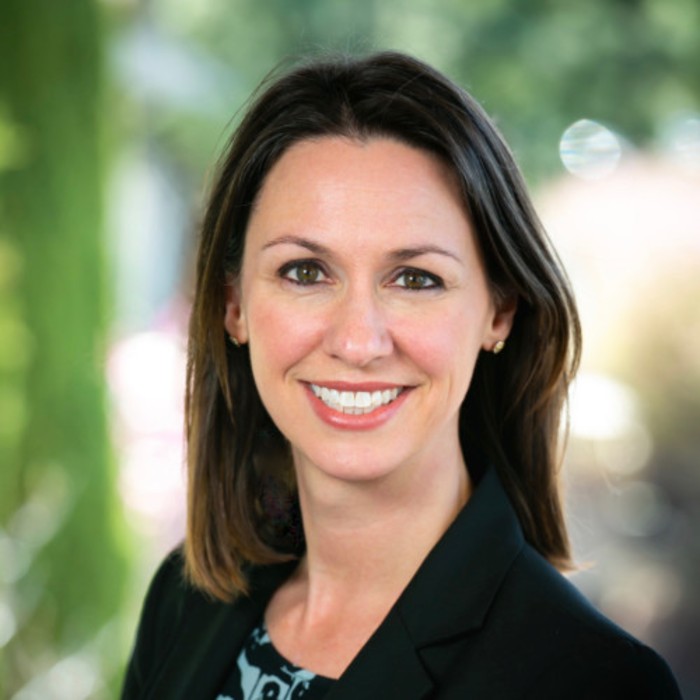
Natalie Bridgeman Fields
Founder, Accountability Counsel
Read Natalie’s bio
Natalie Bridgeman Fields is a senior consultant and philanthropic advisor dedicated to advancing justice-driven philanthropic missions. Alongside her longstanding consulting career, Natalie has been a leader in the international movements for human rights, rights-based development, and climate and environmental justice. Over three decades, she has advocated for justice alongside communities as an international lawyer, consultant, award-winning social entrepreneur, speaker, writer, and educator.
Natalie founded Accountability Counsel in 2009 and led it as executive director for fourteen years. The organization helps communities around the world defend their rights and environment when development projects cause harm, and has worked with nearly 40 communities. And in 2024, she joined Earthjustice as managing attorney of its International Program.
A graduate of Cornell University and UCLA School of Law, she earlier litigated corporate, human rights and environmental cases, including as part of the team in Cabello v. Fernández-Larios, the first case to produce a jury verdict on a crimes-against-humanity claim under the Alien Tort Claims Act. She has advised the World Bank Inspection Panel and the European Bank for Reconstruction and Development on accountability, and was named an Echoing Green Fellow in 2009.
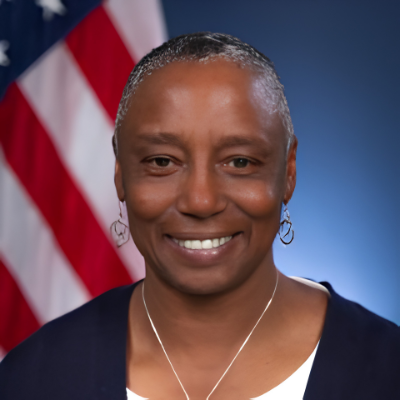
Stephanie M. Hinds
Former Director, Executive Office for U.S. Attorneys
Read Stephanie’s bio
Stephanie M. Hinds was the Director of the Executive Office for United States Attorneys (EOUSA) until January 2025. Ms. Hinds brings nearly 30 years of experience within the Department of Justice, including an extensive career in the United States Attorney’s Office for the Northern District of California. Her roles there have included Assistant United States Attorney, Asset Forfeiture Chief, Deputy Criminal Chief, First Assistant United States Attorney, and Deputy United States Attorney. She served as the acting United States Attorney for the Northern District of California from 2021 to 2023.
In May 2023, Ms. Hinds was appointed as an Associate Deputy Attorney General in the Office of the Deputy Attorney General in Washington, D.C. There, she served as the Deputy Attorney General’s liaison to the United States Attorney community, supporting all 94 offices across the country through EOUSA.
Throughout her career, Ms. Hinds has demonstrated a commitment to public service and a dedication to enhancing the efficiency and effectiveness of the Department of Justice.
Ms. Hinds is a graduate of University of California College of the Law, San Francisco and UC Berkeley.
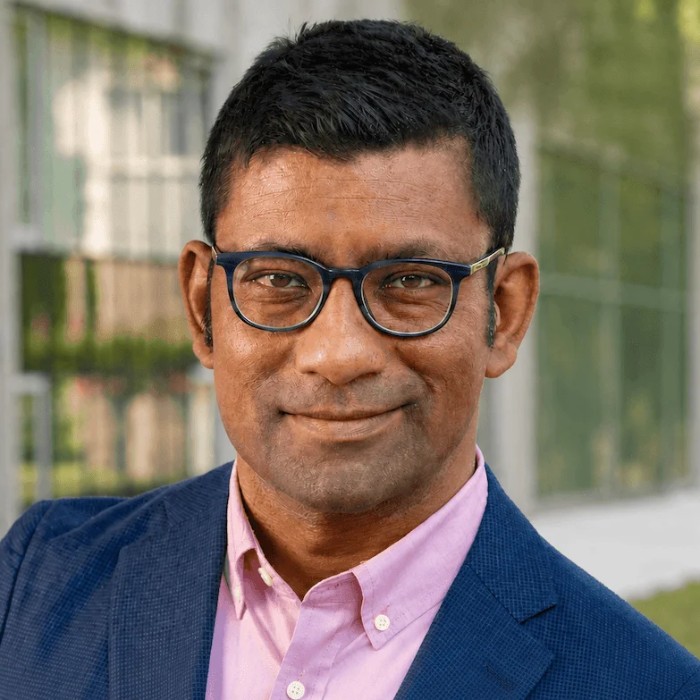
Aziz Huq
Frank and Bernice J. Greenberg Professor of Law, University of Chicago Law School
Read Professor Huq’s bio
Aziz Huq is the Frank and Bernice J. Greenberg Professor of Law at the University of Chicago Law School. His scholarship covers constitutional law, federal courts and criminal procedure, with a focus on democratic backsliding and the regulation of artificial intelligence.
A graduate of the University of North Carolina at Chapel Hill and Columbia Law School, he clerked for Judge Robert D. Sack of the Second Circuit and Justice Ruth Bader Ginsburg, and was counsel and then director of the Brennan Center’s Liberty and National Security Project. His books include Unchecked and Unbalanced (2007), How to Save a Constitutional Democracy (2018, with Tom Ginsburg) and The Collapse of Constitutional Remedies (2021).
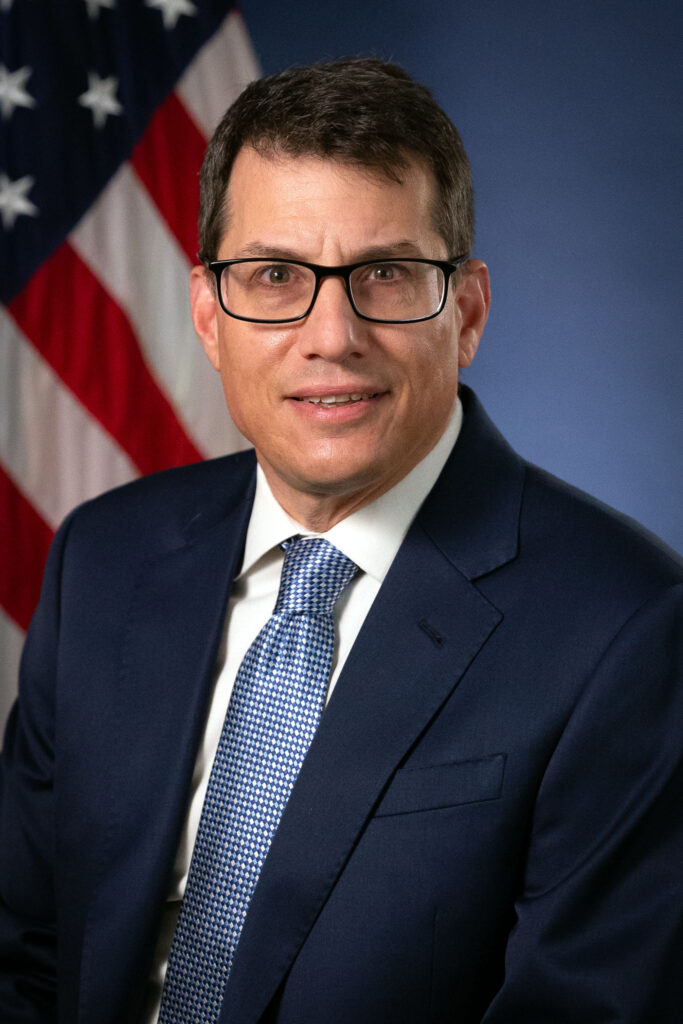
Gary Restaino
Former U.S. Attorney, District of Arizona
Read Gary’s bio
Gary Restaino was sworn in as the United States Attorney for the District of Arizona in November 2021, following his nomination by President Biden and confirmation by the Senate earlier that fall. He led the Office until February 2025. During his tenure, Gary also served on the Attorney General’s Advisory Committee, elevating the voices of the U.S. Attorney community in Washington and advising Department of Justice leadership on matters of policy, procedure, and management. Pursuant to the Vacancies Reform Act, Gary also led the Bureau of Alcohol, Tobacco, Firearms and Explosives for several months in the spring and summer of 2022 as its Acting Director, pending the confirmation of its nominee.
Prior to his service as U.S. Attorney, Gary had been an Assistant U.S. Attorney for nearly twenty years, where he focused on the investigation and prosecution of white collar and public corruption crimes. Earlier in his career, Gary worked at various times as a civil rights lawyer at the Arizona Attorney General’s Office, a legal aid attorney representing farmworkers, and a Peace Corps Volunteer in Paraguay. He received his J.D. from the University of Virginia School of Law and a B.A. from Haverford College.
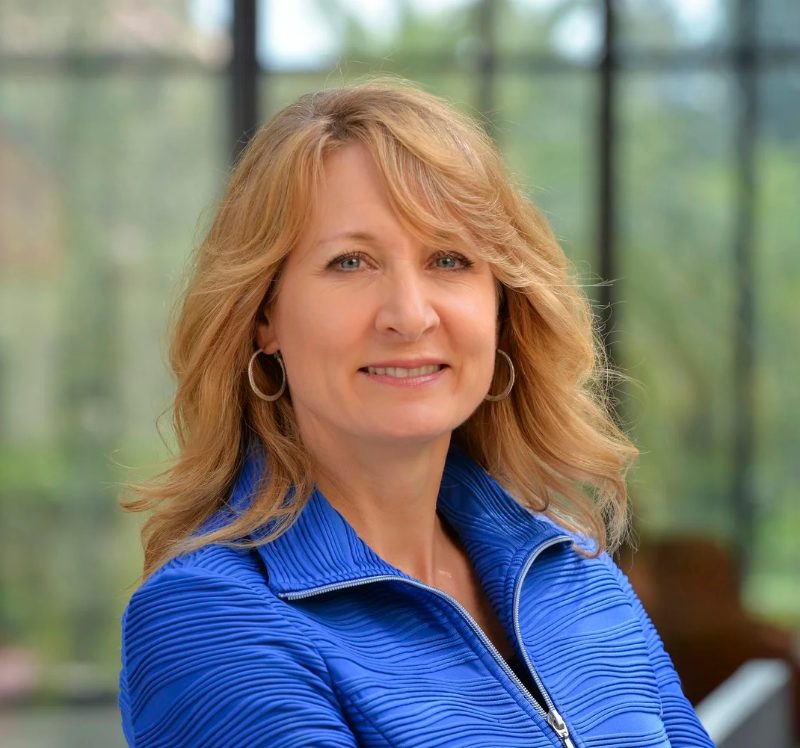
Beth Van Schaack
Distinguished Fellow, Stanford University
Former Ambassador-at-Large for Global Criminal Justice
Read Beth’s bio
Beth Van Schaack is a Distinguished Fellow at Stanford University. Prior to returning to Stanford, Dr. Van Schaack served as Ambassador-at-Large for Global Criminal Justice (GCJ) in the U.S. State Department office where she once served as Deputy. GCJ advised the Secretary of State and the Under Secretary of State for Civilian Security, Democracy, and Human Rights on issues related to war crimes, crimes against humanity, and genocide and the deployment of the whole range of transitional justice mechanisms in states emerging from violence or repression. Prior to returning to public service, Dr. Van Schaack was the Leah Kaplan Visiting Professor in Human Rights at Stanford Law School, where she taught international criminal law, human rights, human trafficking, and a policy lab on Legal & Policy Tools for Preventing Atrocities. In addition, she directed Stanford’s International Human Rights & Conflict Resolution Clinic. Ambassador Van Schaack has published numerous articles and papers on international human rights and justice issues, including her 2020 thesis, Imagining Justice for Syria (Oxford University Press). From 2014 to 2022, she served as Executive Editor for Just Security, an online forum for the analysis of national security, foreign policy, and rights.
In addition to her work as a Distinguished Fellow with Stanford’s Center for Human Rights & International Justice, Dr. Van Schaack is a Commissioner with the International Commission of Jurists (ICJ), a Senior Peace Fellow with the Public International Law & Policy Group, a Distinguished Fellow with the Atlantic Council’s Strategic Litigation Project, and a Distinguished Fellow with the Georgetown Institute for Women, Peace & Security. With seven other senior U.S. government human rights mandate holders, she is a co-founder of The Alliance for Diplomacy & Justice, which works to center human rights within U.S. foreign policy.
Earlier in her career, she was a practicing lawyer at Morrison & Foerster, LLP; the Center for Justice & Accountability, a human rights law firm; and the Office of the Prosecutor of the International Criminal Tribunals for Rwanda and the Former Yugoslavia in The Hague. Dr. Van Schaack is a graduate of Stanford (BA), Yale (JD) and Leiden (PhD) Universities.